Choosing the right Blush for your skin tone.

How to Choose the Best Blush for Your Skin Tone

You might have certain aspects of your makeup routine perfected. For example, you may already know how to apply flawless foundation. Picking out basics like lipstick may also seem like second nature to you. However, one type of makeup that can cause a lot of confusion is blush. You may have no idea what blush to choose at any given time. Did you KNOW that you should have a different blush for each season??! A great place to start is with skin tone assessment. Here are some basics regarding how to choose the best blush for your skin tone.
Skin Tone Versus Undertone
The first thing to understand about selecting blush or any other type of makeup based on your skin tone is you are dealing with two types of tone, not one. The term “skin tone” refers to the shade of the top layer of your skin. You might think that is the only color you need to consider. However, the undertone of your skin can also have a major impact on your best blush options. The undertone is the pigmentation of the lower layers of skin. Skin tone and undertone are influenced by various factors, some of which may change over time. They include:
- Ethnic Background
- Hormone Levels
- Sun Exposure
- Tanning Bed or Tanning Spray Use
- Freckling or Other Genetic Skin Conditions
- Age
- Medications
Light/Fair Complexion
It is sometimes easy to overdo it when selecting makeup for fair skin. Darker and deeper colors may not work well for you. Instead, it is often best to stick to lighter tones, especially pinks. Peach tones, which sometimes include a touch of orange, may also work well for you. When in doubt, start with lighter shades and work your way to darker ones, if desired. You can also use your inner lip color as a guide. Alternatively, consider the shade your cheeks naturally take on when you blush.
Medium Complexion
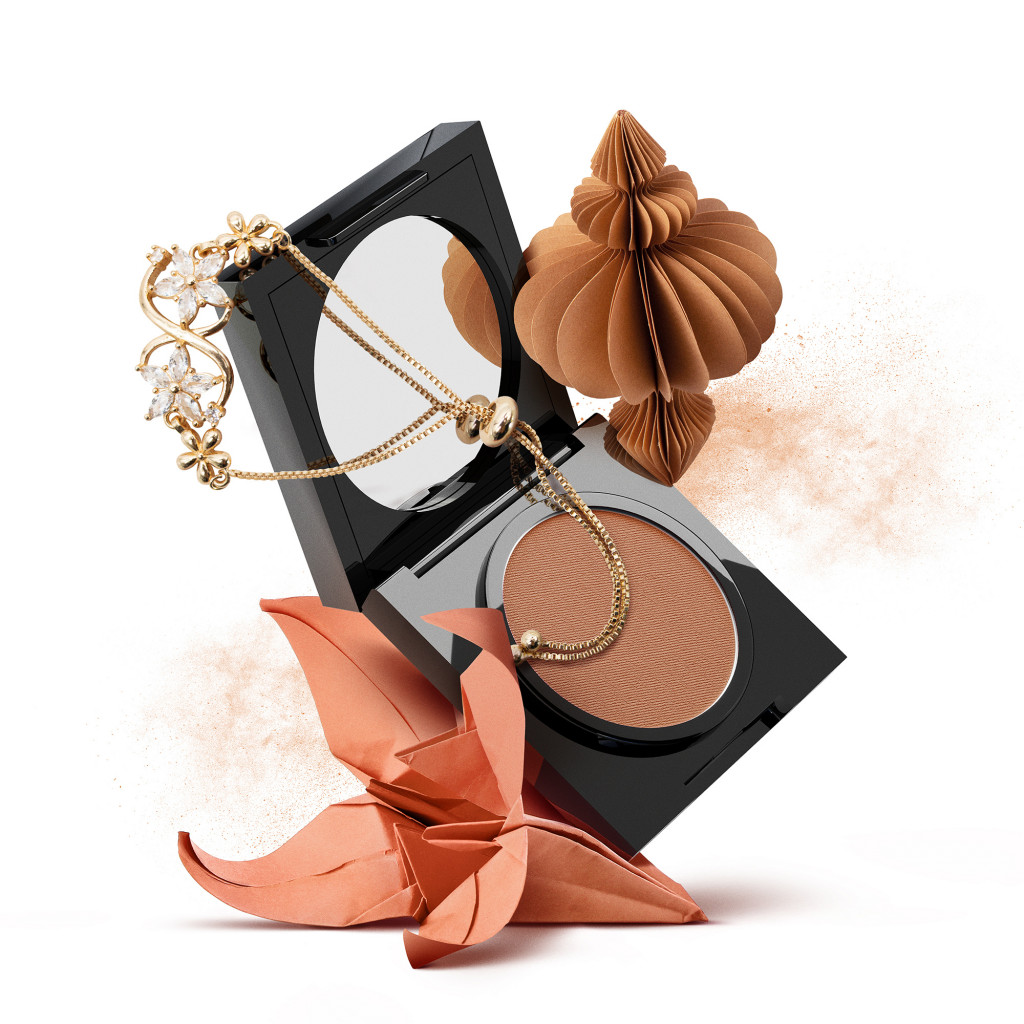
If your skin has a tanned outward appearance and warmer undertones, you have a medium complexion. A medium complexion is great for choosing blush because many shades can complement your skin tone well. You can get away with various pink shades, including rosy and bright hues. Blushes with more orange or tan pigments can also work well for you. Since you have a veritable painter’s palette of options, you can easily experiment with different shades all the time. As a result, you can achieve almost any look you want.
Olive Complexion
Olive skin can sometimes have hints of green below the surface. Often, it can look dull and give you a tired appearance. You can revitalize it by adding a splash of the right color to each cheek. The question is, what is the right color? You usually cannot go wrong with golden or orange tones to give it a healthier glow. You can also get away with peach tones on certain occasions.
Dark Complexion
Dark skin comes with its own set of unique challenges. Often, it is thicker than skin with lighter pigmentation. It requires a special skincare routine, including daily moisturizing. If you have dark skin, you also need to take more care when selecting makeup. Not only are the ingredients important, but so are your makeup color choices. When it comes to blush, deeper colors can often accentuate your features better than more subtle tones. Brick red is one such bold color you can use.
Universal Blush Shades

There are some shades that work well for all skin tones under most circumstances. They are not necessarily perfect for everyone. However, they are great shades to experiment with because your experiment is likely to be a success. Some of those shades include:
- Peach
- Rose
- Magenta
- Bright (Almost Neon) Pink
- Mauve (A Pale Purple Tone)
Skin Tones, Blush, and Image Choice
Skin tone is only one factor when choosing blush. You also need to think about the image you are trying to project or the occasion you are trying to celebrate. For instance, the blush shade you wear to work and the blush shade you wear to social gatherings can and often should be totally different. Seasonal changes may even dictate the blush tones you prefer.
You can also change up your look by taking advantage of different blush traits, such as matte or frosted finishes. Matte finish blushes are often best at concealing skin imperfections. Frosted finishes provide an extra shimmer. You can use that to draw attention to your best facial features.
Avoiding Certain Blush Shades and Types

A final note about choosing the right blush for your skin is there are certain colors you need to always avoid. Those colors vary, depending on the type of complexion you have. For example, blue tones do not always look good when paired with a pale complexion. Also, you may prefer a powdered blush over a creamier blush if you have problems with oily skin or clogged pores. You might need to experiment a little to determine not just the blush color you need, but the type.