
Choosing The Best Balneotherapy Options For Your Needs

What is Balneotherapy?
If you’re a fan of old-fashioned novels and period movies, you may have heard the expression “taking the waters.” And you may even know that the word “bath” was inspired by Bath, England, where the well-to-do vacationed in order to bathe in the healing mineral springs originally built by the conquering Romans.
But what did those early Romans and the later British elite – along with countless cultures around the world – know about this type of healing practice that we have forgotten? Is it still possible to experience authentic balneotherapy, as well as recreate the experience in our homes?
Balneotherapy 101
 The root word of balneotherapy, balneum, means “bath” in Latin. As the practice has evolved over the centuries, balneotherapy has come to specifically mean therapeutic bathing in mediums that have high mineral content, especially hot springs. Spas that aren’t built around natural mineral springs often offer their own version of balneotherapy, in which certain healing minerals are added to bathtubs or small pools.
Often, spas combine the mineral water bathing experience with other therapies, such as mud baths, massage, or ultraviolet light therapy. (In fact, the technical term for the combination of mineral bathing and UV light treatment is a bit of a tongue twister called “balneophototherapy.”)
Home Spa Treatments
In the last century or so, the availability of drugstore products has enabled the everyday person to have access to healing products to add to the bathtub. That has led to a decline in the “craze” for taking the waters, at least the naturally occurring kind.
Yet many people still seek out natural mineral springs, believing that Mother Nature offers the best combination of ingredients for what ails them, whether they’re seeking a general “detox” or looking to treat a wide range of maladies.
Is Balneotherapy the Same as Hydrotherapy?
The easiest way to understand the difference between the two terms is that hydrotherapy – which translates roughly to “water cure” – is an overarching treatment for various types of water healing practices. As a subset of hydrotherapy, balneotherapy is just one type of water cure.
Other types of hydrotherapy include sitz baths to cure lower-body maladies like hemorrhoids and yeast infections; footbaths for sore or infected feet; whirlpool baths for aching muscles and joints; full-body immersion tanks, most frequently used to treat burn victims; steam baths for a range of maladies; and even warm compressions for muscle pain and sinus infections.
With its emphasis on the healing power of minerals, balneotherapy can overlap with other types of hydrotherapy, but without the mineral component, it’s not considered true balneotherapy.
What Does Balneotherapy Treat?
The benefits of balneotherapy, especially in hot springs or mineral baths, come from a combination of the heat itself and the specific mineral content of the water.
The combination of heat and minerals results in vasodilation. In practical terms, this effect helps ease sore muscles and joints, improve circulation and flexibility, and decrease pain. Some people with conditions like arthritis and fibromyalgia may find that balneotherapy provides relief.
 Minerals like sulfur and magnesium may also be helpful for problems like body acne, psoriasis, and bacterial skin infections. They can also aid in muscle relief by reducing lactic acid buildup.
Keep in mind that if you have a serious condition – or a minor one that could be made worse by neglecting it – it’s important to consult your physician rather than relying solely on ancient or alternative therapies. There are also certain situations, such as if you have open wounds or lesions or problems like low pressure, in which the mineral content or the heat of a warm bath can aggravate your health concerns.
In addition, research on alternative treatments such as balneotherapy is notoriously sparse compared to those of more modern medical strategies.
But if you’re in robust health, or if your doctor OKs you for balneotherapy, you’re in for a unique, often spiritual experience that’s worth the effort involved in seeking it out.
How to Experience Balneotherapy
If you live in North America, you’re probably within a day trip to at least one mineral springs option. In the U.S., most hot springs are located in the West, but places like Saratoga Springs, NY, and Warm Springs, VA – along with several others in the southeastern states – also feature some type of thermal springs.
Balneotherapy is no longer just a pursuit for the wealthy. Although you can certainly go the luxury spa route, many springs are on public land, often in out-of-the-way places to which you’ll need to hike to in order to enjoy the natural-rock soaking experience. Then there are the in-between options. These are operated as businesses, but their lack of frills makes them more budget-friendly.
Experiencing Balneotherapy at Home
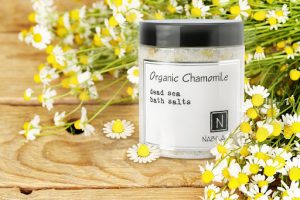 Of course, you can also replicate the balneotherapy experience in your own bathtub. Look for a blend of bath salts that combine healing minerals with other ingredients that meet your specific needs. It’s always a bonus, in terms of maximum mineral content, if there’s more than one kind of salt in the blend, such as Epsom and Dead Sea, which come from different parts of the world.
The additional natural ingredients can also be therapeutic. A chamomile-based blend, for example, soothes rashes and other skin conditions. Bath salts that include lavender are not only perfect for easing swelling and redness on your skin but also for easing sore muscles. Or try one containing jasmine oil, which has been linked with mood enhancement, cramp relief, menopause aid, and even help with lactation issues.